
Radon in Minnesota and the disclosure law.
Radon is common in Minnesota homes, and state law says what a seller has to disclose. Testing isn't required, so it's up to the buyer to ask for it.
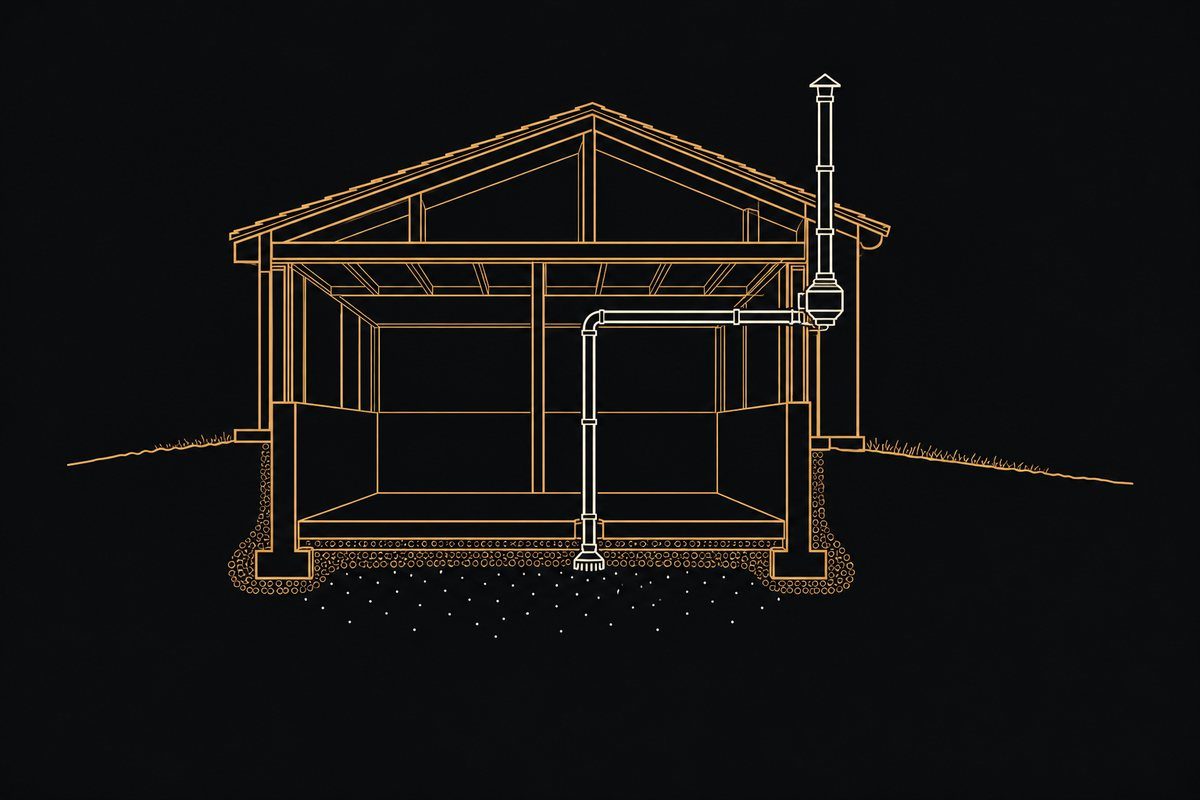
- The Minnesota Department of Health (MDH) says more than two in five Minnesota homes have radon levels that pose a significant health risk.
- Before a purchase agreement is signed, sellers must disclose in writing what they know about radon and give the buyer MDH's publication "Radon in Real Estate Transactions."
- Neither testing nor mitigation is required by law during a sale.
- Anyone testing a home they don't own must be licensed by MDH.
On this page
Why it matters
MDH calls radon the number one cause of lung cancer for non-smokers and the second leading cause for smokers. You can't see or smell it, so the only way to know a home's level is to test.
What the seller must disclose
The Minnesota Radon Awareness Act (Minn. Stat. 144.496) took effect January 1, 2014. Before signing an agreement to sell residential property, the seller must disclose in writing:
- Whether a radon test has been done on the property.
- The most current records and reports on radon levels in the home.
- A description of any radon levels, mitigation, or remediation.
- Information about any mitigation system, if one is installed.
- The state's radon warning statement, plus a copy of MDH's "Radon in Real Estate Transactions."
The law covers single-family homes, including condo and townhome units. It exempts certain transfers, including foreclosures, transfers between family members, and court-ordered transfers.
If a seller doesn't disclose
A seller who knew material facts about radon and failed to disclose them is liable to the buyer, who can sue for damages. The suit must be filed within two years after closing. The sale itself isn't voided.
How a proper test works
- At least 48 hours, per MDH guidance for real estate tests.
- Closed-house conditions: windows and exterior doors closed except for normal coming and going.
- A licensed professional. MDH says a licensed radon measurement professional should run the test and produce a report. Under the Minnesota Radon Licensing Act (Minn. Stat. 144.4961), anyone placing or retrieving test devices in a building they don't own or lease must hold an MDH license. Owners can test their own homes.
- The action level MDH cites is the EPA's 4 picocuries per liter (pCi/L).
My advice for buyers
- Order a radon test alongside your home inspection. You choose the tester, and I can give you two or three licensed names to consider.
- If the home has a mitigation system, ask for the install paperwork and the most recent test results, and check that the fan is running.
- Decide before you write the offer what level you'd want mitigated and who pays, so the inspection contingency covers it.
Sources
- Minn. Stat. 144.496, Minnesota Radon Awareness Act
- MDH, Radon in Real Estate
- MDH, Radon in Homes
- MDH, Radon Licensing (Minn. Stat. 144.4961)
Reviewed September 2026. General information only, not legal or health advice.